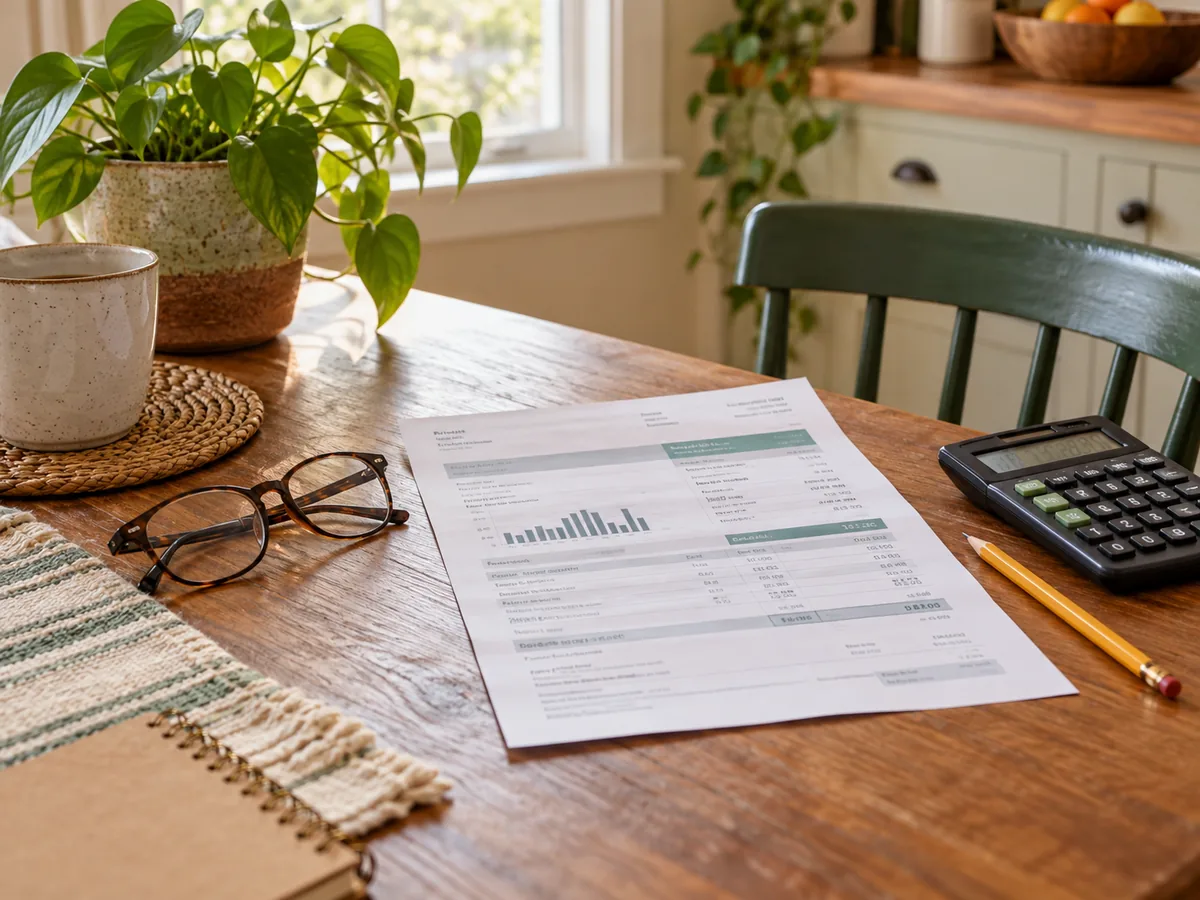
The short answer: Similar-looking homes can have different electric loads and prices. A fair comparison needs the same unit, time period, weather context, equipment, and rate structure.
Before you start
Check the situation in front of you
Useful home guidance begins with the exact space, model, label, and routine you have. Make these checks before turning a general idea into a household habit.
- Compare kWh separately from dollars.
- Use similar dates and number of billing days.
- Do not ask another household to disclose private account details.
Try this at home
A practical route, one step at a time
Move through the sequence in order. Keep notes on what you observe, and change only one variable at a time when you want to understand the result.
- 1
Start with the building
Floor area, apartment position, insulation, window exposure, shade, air leakage, and attached spaces change heating and cooling needs even on the same street.
- 2
List the major fuel choices
One home may use electricity for heat, water heating, cooking, and drying while another uses another fuel. Comparing electric totals alone then omits a large part of the picture.
- 3
Compare equipment and controls
System type, age, capacity, maintenance, thermostat behavior, and appliance mix matter. Avoid turning age into a diagnosis; document the exact model and condition.
- 4
Add household routines
Occupancy, remote work, sleep schedules, laundry frequency, cooking, EV charging, and preferred temperatures can create consistent differences without anyone behaving incorrectly.
- 5
Read the rate and calendar
Utilities, rate plans, tiers, time windows, taxes, and fixed charges vary. Weather also changes from one billing period to the next, so a dollar total is not a universal benchmark.
- 6
Build a four-week observation
Record daily or interval kWh if available, major routine changes, outdoor conditions, and equipment use. Look for a repeated pattern before treating one bill as evidence.
Use the guide
A practical result you can keep
| Factor | Question to record | Keep separate |
|---|---|---|
| Calendar | How many billing days? | kWh per day |
| Weather | Similar heating or cooling conditions? | Degree of exposure |
| Equipment | Same fuel and system type? | Model and condition |
| Rate | Same utility plan? | Fixed versus variable charges |
Make the result repeatable
Use what you noticed, not a perfect-looking setup
Begin with start with the building, because that establishes the condition you are actually working with. Then move through list the major fuel choices, compare equipment and controls, add household routines, read the rate and calendar. Those middle checks turn “compare climate, housing, equipment, routines, rates, and billing periods instead of assuming one home must have a fault.” from a general idea into a sequence you can evaluate in your own home.
Give the change enough time to reveal a pattern, but do not keep adjusting several things at once. Write down the date, the room or device, the exact setting or arrangement, and what happened next. For equipment questions, add the model number and manual page. For room questions, add weather, time of day, and who was using the space. A small record is more dependable than memory after the next bill, load, or season arrives.
Finish with build a four-week observation. If the result is useful, keep the smallest version that solves the problem and add it to the household notes. If it is inconvenient, inconclusive, or conflicts with an instruction, restore the starting condition. A reversible trial is still useful when it tells you which explanation or purchase does not fit. Keep the record with the matching bill, manual, room note, or shopping question so the next comparison begins with context instead of a fresh guess.
Good to know
Conditions, limits, and the point to stop
A sudden unexplained change, burning smell, hot electrical equipment, repeated breaker operation, or visible damage is not a comparison exercise. Contact the utility or an appropriately qualified professional.
Takeaway
Keep these four points
- kWh and dollars separated
- Fuel types listed
- Weather and billing days aligned
- A repeatable observation period chosen
Sources and review
Where the factual guidance comes from
- U.S. Energy Information Administration — Electricity Use in HomesChecked October 14, 2026
- U.S. Energy Information Administration — Prices and Factors Affecting PricesChecked October 14, 2026
Read our Editorial Standards or report a correction.