The short answer: Buy a measurement tool only when you know what it measures, how accurate it needs to be, and what action the result could change. A dashboard without a decision is another thing to maintain.
Before you start
Check the situation in front of you
Useful home guidance begins with the exact space, model, label, and routine you have. Make these checks before turning a general idea into a household habit.
- Write one question the gadget should answer.
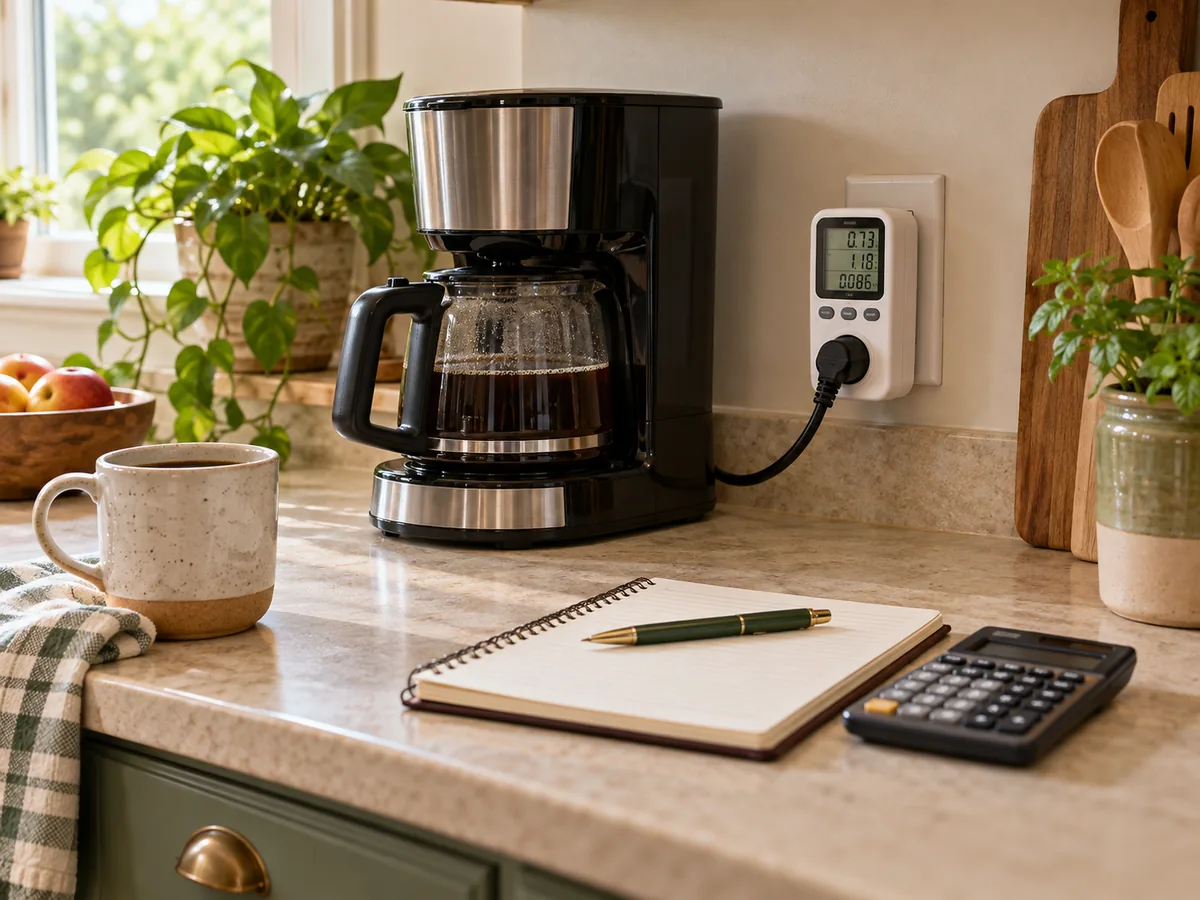
- Identify whether the target is a plug load, circuit, whole home, temperature, or another quantity.
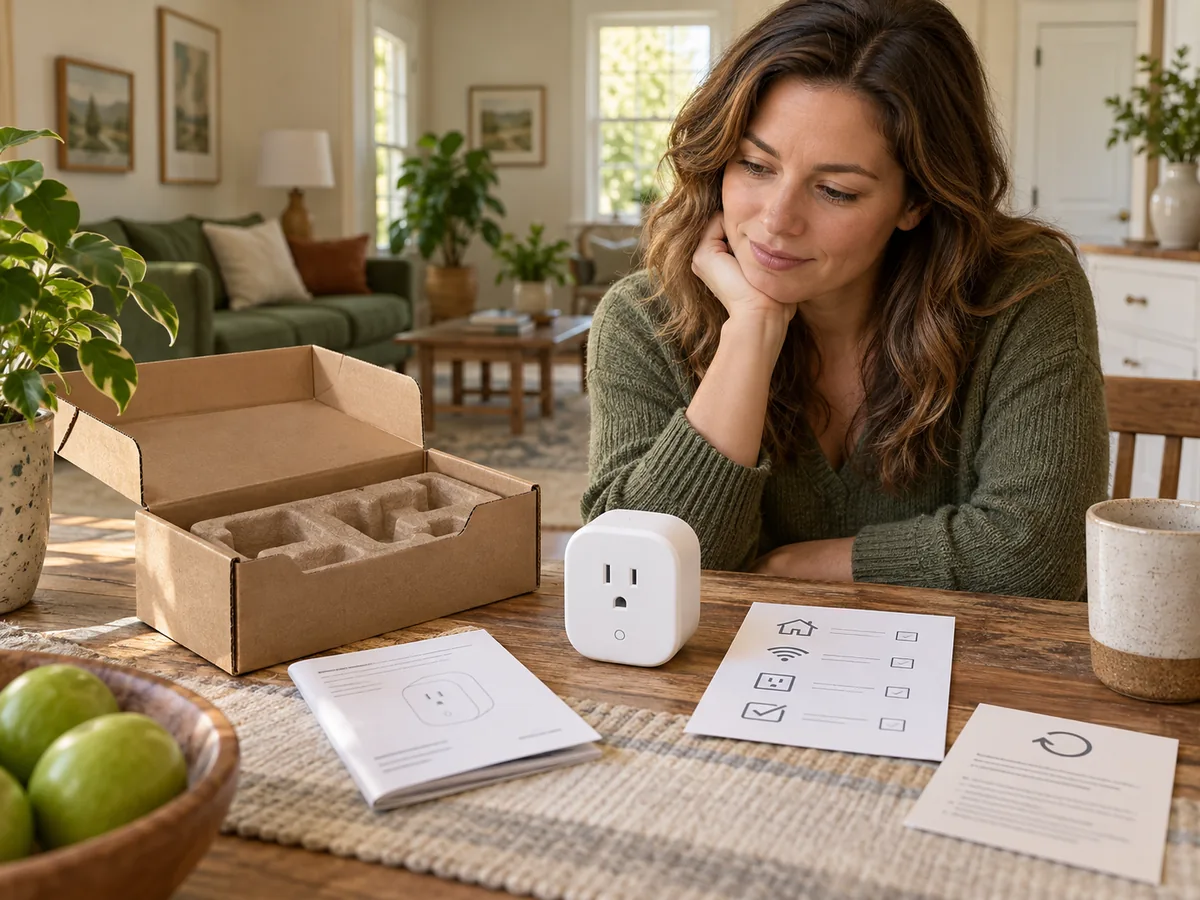
- Set a return deadline before opening the package.
Try this at home
A practical route, one step at a time
Move through the sequence in order. Keep notes on what you observe, and change only one variable at a time when you want to understand the result.
- 1
Define the measurement boundary
Whole-home, circuit-level, outlet-level, and estimate-based tools answer different questions. Check whether the device measures directly, infers loads, or imports utility data.
- 2
Read accuracy and sampling details
Look for stated range, resolution, update interval, and limitations. A live number that changes quickly may still be poor evidence for monthly cost.
- 3
Check the installation reality
Confirm panel type, outlet rating, Wi-Fi band, phone support, subscription, account, and professional-installation requirements. Do not treat electrical-panel access as a casual DIY task.
- 4
Evaluate claims and support
Prefer specific documented functions over broad promises. Review update history, warranty, security contact, replacement parts, and whether core operation survives a cloud-service change.
- 5
Plan the first week
Choose the exact load or question, baseline period, note format, and decision threshold before setup. Test early enough to use the return policy if the data cannot answer the question.
Make the result repeatable
Use what you noticed, not a perfect-looking setup
Begin with define the measurement boundary, because that establishes the condition you are actually working with. Then move through read accuracy and sampling details, check the installation reality, evaluate claims and support. Those middle checks turn “define the decision you want the device to support, then review measurement method, compatibility, evidence, data, support, and returns.” from a general idea into a sequence you can evaluate in your own home.
Give the change enough time to reveal a pattern, but do not keep adjusting several things at once. Write down the date, the room or device, the exact setting or arrangement, and what happened next. For equipment questions, add the model number and manual page. For room questions, add weather, time of day, and who was using the space. A small record is more dependable than memory after the next bill, load, or season arrives.
Finish with plan the first week. If the result is useful, keep the smallest version that solves the problem and add it to the household notes. If it is inconvenient, inconclusive, or conflicts with an instruction, restore the starting condition. A reversible trial is still useful when it tells you which explanation or purchase does not fit. Keep the record with the matching bill, manual, room note, or shopping question so the next comparison begins with context instead of a fresh guess.
Good to know
Conditions, limits, and the point to stop
No gadget proves that wiring is safe or diagnoses an equipment fault by itself. Do not open an electrical panel or attach sensors to conductors unless the product and a qualified professional make that installation appropriate.
Takeaway
Keep these four points
- One decision question written
- Measurement boundary identified
- Installation and data terms checked
- Return-window test planned
Sources and review
Where the factual guidance comes from
This article’s organizing method, checklist, and household examples are original editorial material. Model-specific and safety-critical decisions should be checked against the relevant manufacturer instructions and local requirements.
Read our Editorial Standards or report a correction.