The short answer: The model number identifies the product family; electrical ratings describe input requirements; an EnergyGuide label estimates standardized energy use for eligible products. They are not interchangeable.
Before you start
Check the situation in front of you
Useful home guidance begins with the exact space, model, label, and routine you have. Make these checks before turning a general idea into a household habit.
- Unplug a portable appliance before moving it if the manual permits.
- Do not pull a built-in or heavy appliance out alone.
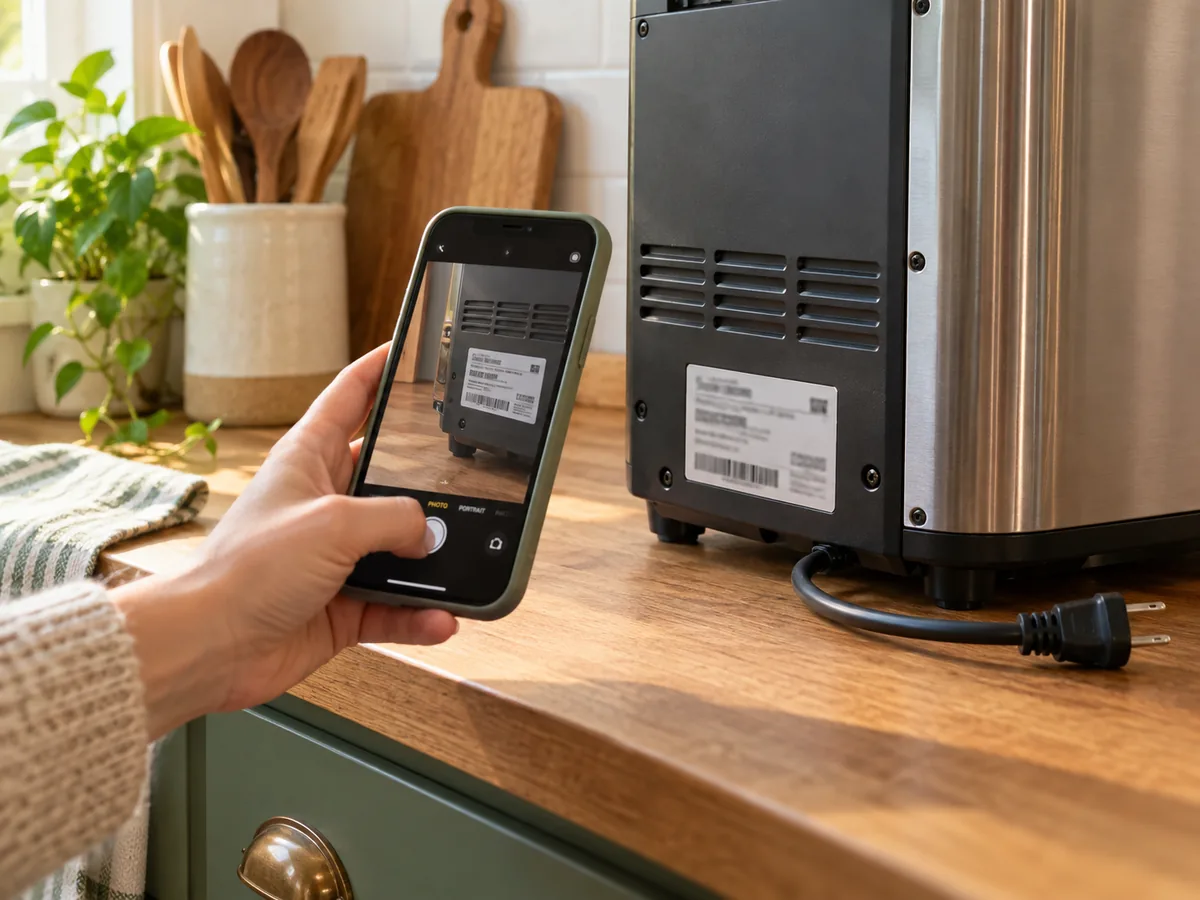
- Photograph labels only from a safe, accessible position.
Try this at home
A practical route, one step at a time
Move through the sequence in order. Keep notes on what you observe, and change only one variable at a time when you want to understand the result.
- 1
Find the model and serial fields
The model is the key to the correct manual and parts diagram. A serial number may identify production details or warranty status; share it only when needed.
- 2
Read electrical input carefully
Voltage, frequency, current, and wattage describe compatibility or rated input. They do not necessarily equal constant energy use during every operating mode.
- 3
Separate required and optional marks
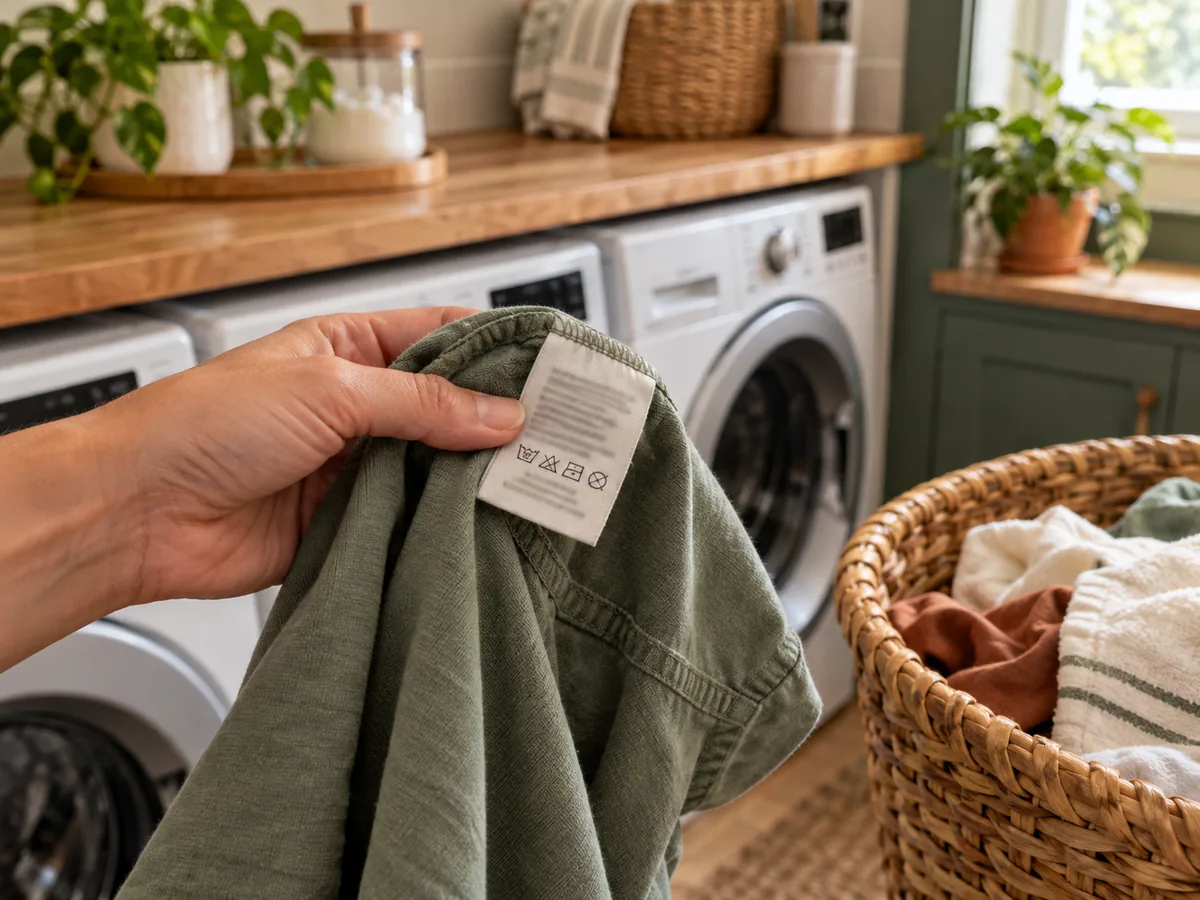
Safety certifications, disposal symbols, radio identifiers, and manufacturer information answer different questions. Look up an unfamiliar mark at its issuing organization.
- 4
Use EnergyGuide for its purpose
Where provided, EnergyGuide supports comparison under a standardized method. Your household result can differ with use, settings, rates, climate, and installation.
- 5
Save a label record
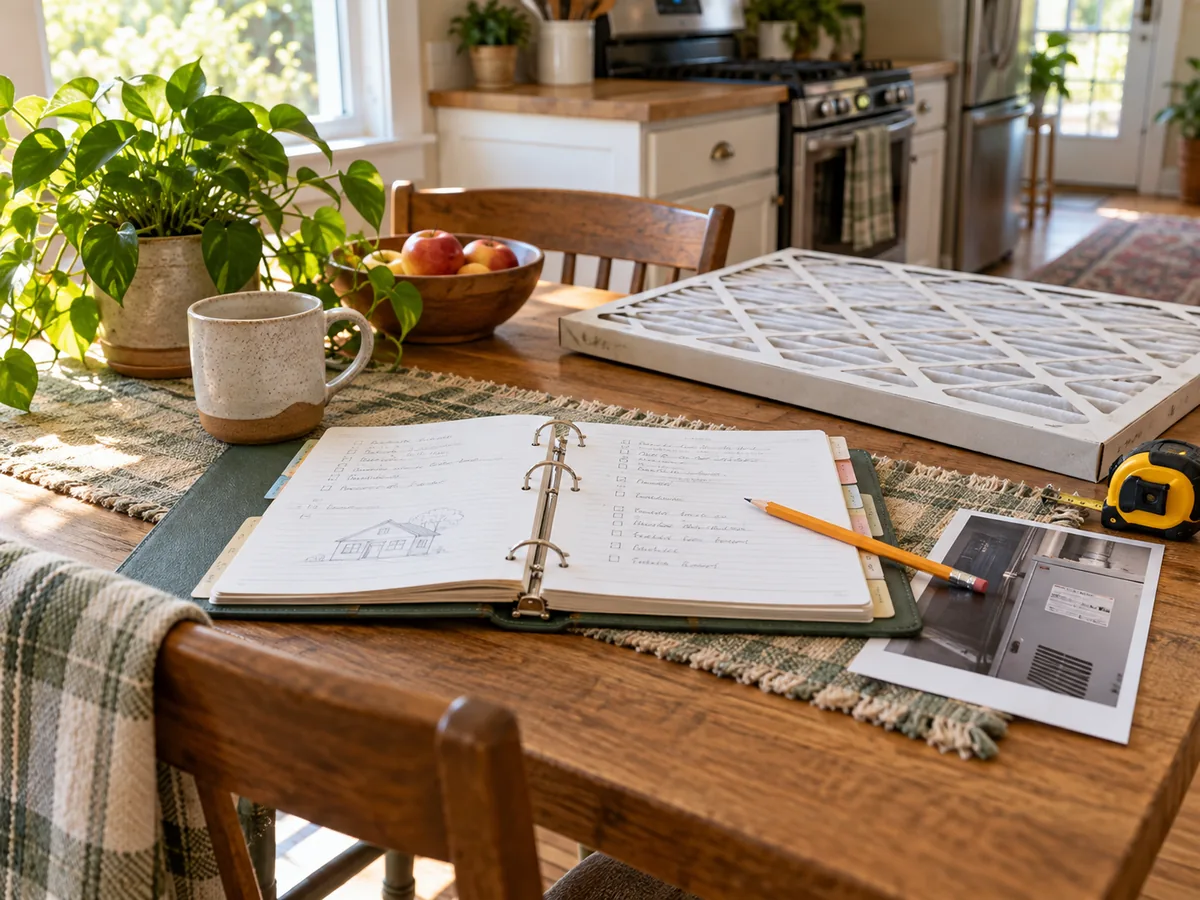
Store a clear photo, typed model, label location, and official manual link in your home notes. Avoid relying on a marketplace listing that may group several models.
Make the result repeatable
Use what you noticed, not a perfect-looking setup
Begin with find the model and serial fields, because that establishes the condition you are actually working with. Then move through read electrical input carefully, separate required and optional marks, use energyguide for its purpose. Those middle checks turn “use the model number, electrical ratings, certification marks, and energyguide information for different questions.” from a general idea into a sequence you can evaluate in your own home.
Give the change enough time to reveal a pattern, but do not keep adjusting several things at once. Write down the date, the room or device, the exact setting or arrangement, and what happened next. For equipment questions, add the model number and manual page. For room questions, add weather, time of day, and who was using the space. A small record is more dependable than memory after the next bill, load, or season arrives.
Finish with save a label record. If the result is useful, keep the smallest version that solves the problem and add it to the household notes. If it is inconvenient, inconclusive, or conflicts with an instruction, restore the starting condition. A reversible trial is still useful when it tells you which explanation or purchase does not fit. Keep the record with the matching bill, manual, room note, or shopping question so the next comparison begins with context instead of a fresh guess.
Good to know
Conditions, limits, and the point to stop
Do not remove covers, defeat interlocks, touch terminals, or move gas-connected, hardwired, built-in, or heavy equipment to reach a label. Ask the manufacturer or a qualified professional for help.
Takeaway
Keep these four points
- Exact model captured
- Electrical rating distinguished from consumption
- Manual matched to the model
- Label photo stored safely
Sources and review
Where the factual guidance comes from
This article’s organizing method, checklist, and household examples are original editorial material. Model-specific and safety-critical decisions should be checked against the relevant manufacturer instructions and local requirements.
Read our Editorial Standards or report a correction.