The short answer: The useful version is an index, not an archive: enough information to find the correct manual, replacement size, or past date when you need it.
Before you start
Check the situation in front of you
Useful home guidance begins with the exact space, model, label, and routine you have. Make these checks before turning a general idea into a household habit.
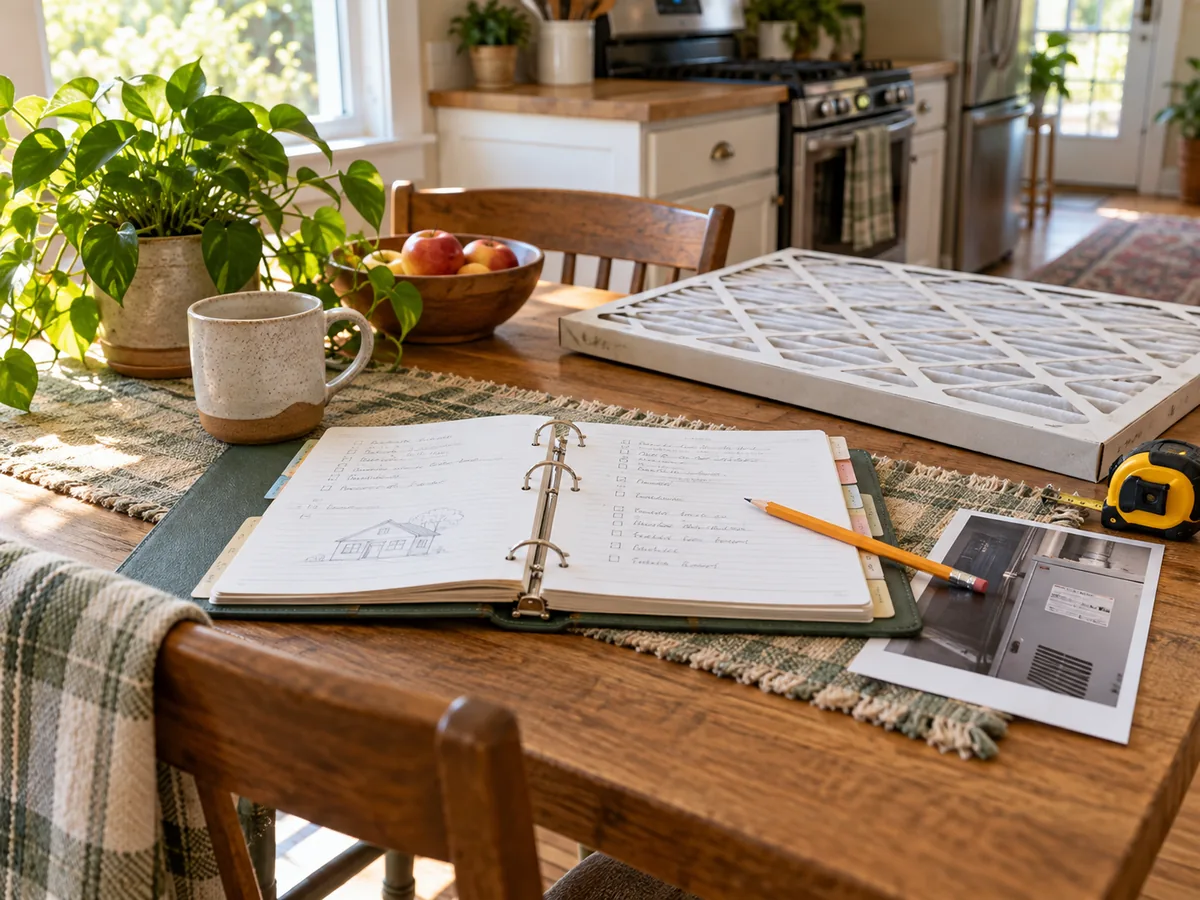
- Choose one paper binder or one offline-first digital folder.
- Decide who in the household needs access.
- Do not collect documents that contain account passwords or unnecessary personal data.
Try this at home
A practical route, one step at a time
Move through the sequence in order. Keep notes on what you observe, and change only one variable at a time when you want to understand the result.
- 1
Start with five devices
Record the refrigerator, washer, dryer, HVAC equipment, and one frequently used small appliance. A short complete list is better than an ambitious system left half built.
- 2
Capture the identifying details
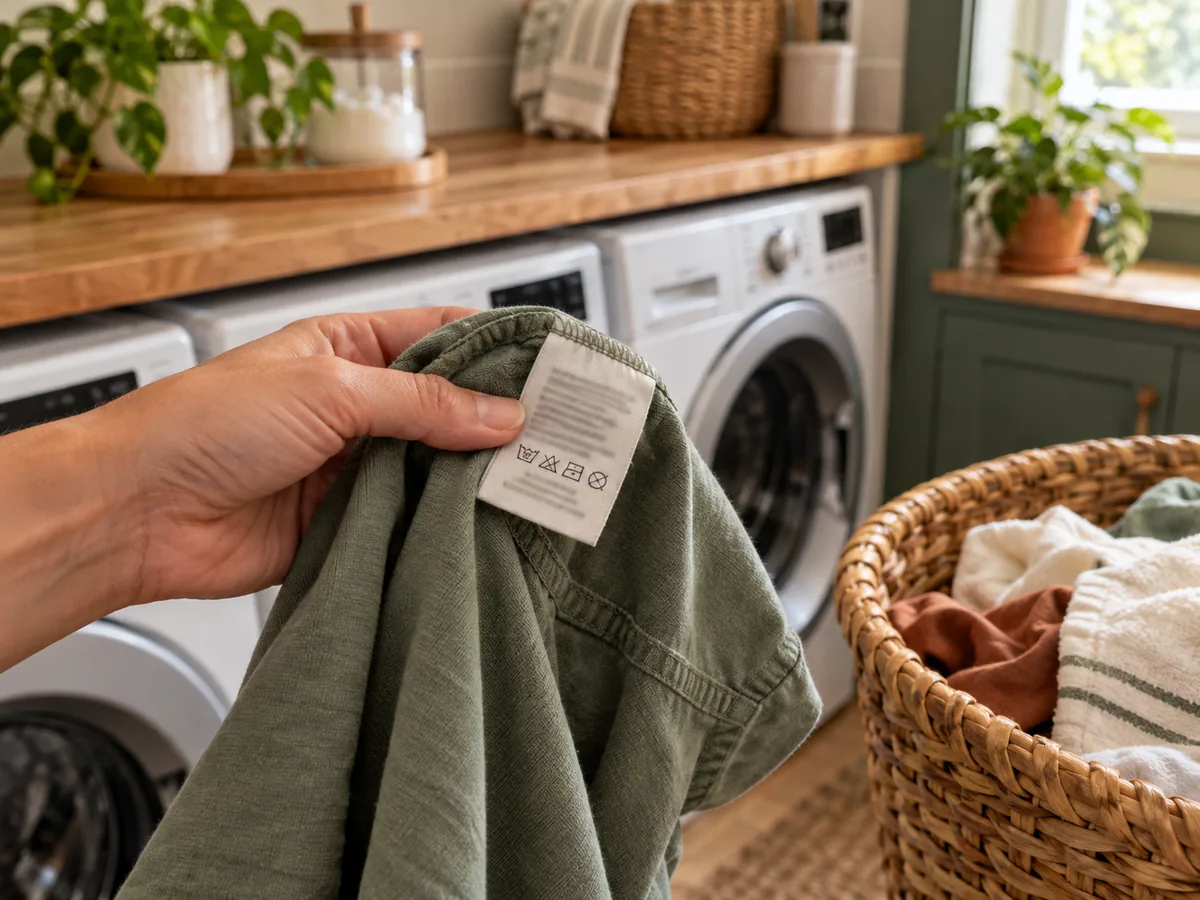
Write the device name, brand, exact model, serial number only when needed, installation or purchase date if known, and the location of the label.
- 3
Save the manual path
Keep a local PDF or the manufacturer’s direct manual link. Name the file with the model so a future search does not depend on remembering which product page you visited.
- 4
Record consumable sizes
Add filter dimensions, bulb base, bag type, or other replaceable details only after confirming them in the manual or on the existing part.
- 5
Log decisions, not every action
Note meaningful service, a changed setting, a recurring symptom, and the date. A concise history gives a technician context without pretending to diagnose the equipment.
Use the guide
A practical result you can keep
Copy this appliance card
Device:
Room:
Brand and model:
Manual link or file:
Filter or consumable size:
Last meaningful service:
Notes and questions:
Make the result repeatable
Use what you noticed, not a perfect-looking setup
Begin with start with five devices, because that establishes the condition you are actually working with. Then move through capture the identifying details, save the manual path, record consumable sizes. Those middle checks turn “keep model numbers, filter sizes, manuals, and maintenance dates in one simple paper or digital index.” from a general idea into a sequence you can evaluate in your own home.
Give the change enough time to reveal a pattern, but do not keep adjusting several things at once. Write down the date, the room or device, the exact setting or arrangement, and what happened next. For equipment questions, add the model number and manual page. For room questions, add weather, time of day, and who was using the space. A small record is more dependable than memory after the next bill, load, or season arrives.
Finish with log decisions, not every action. If the result is useful, keep the smallest version that solves the problem and add it to the household notes. If it is inconvenient, inconclusive, or conflicts with an instruction, restore the starting condition. A reversible trial is still useful when it tells you which explanation or purchase does not fit. Keep the record with the matching bill, manual, room note, or shopping question so the next comparison begins with context instead of a fresh guess.
Good to know
Conditions, limits, and the point to stop
Keep purchase receipts, warranty data, and account information according to your own privacy needs. Do not store access codes, alarm details, or full payment information in a shared household folder.
Takeaway
Keep these four points
- Core device models recorded
- Manuals searchable by model
- Consumable sizes verified
- Service notes dated
Sources and review
Where the factual guidance comes from
This article’s organizing method, checklist, and household examples are original editorial material. Model-specific and safety-critical decisions should be checked against the relevant manufacturer instructions and local requirements.
Read our Editorial Standards or report a correction.