The short answer: Comfort is a pattern. Map when and where the room feels different, then test one reversible change at a time so you can tell what actually helped.
Before you start
Check the situation in front of you
Useful home guidance begins with the exact space, model, label, and routine you have. Make these checks before turning a general idea into a household habit.
- Note time, outdoor conditions, sun, occupancy, and equipment operation.
- Keep supply and return openings accessible.
- Treat unusual odors, moisture, overheating, or combustion concerns as safety issues.
Try this at home
A practical route, one step at a time
Move through the sequence in order. Keep notes on what you observe, and change only one variable at a time when you want to understand the result.
- 1
Draw a simple room map
Mark windows, exterior walls, doors, accessible vents, heat-producing devices, and the seat or work area that feels uncomfortable. Add morning and afternoon sun patches.
- 2
Separate air from surface comfort
A draft, cold window, warm sunlit wall, and humid room can feel similar while needing different responses. Describe the sensation before choosing a product.
- 3
Check furniture placement
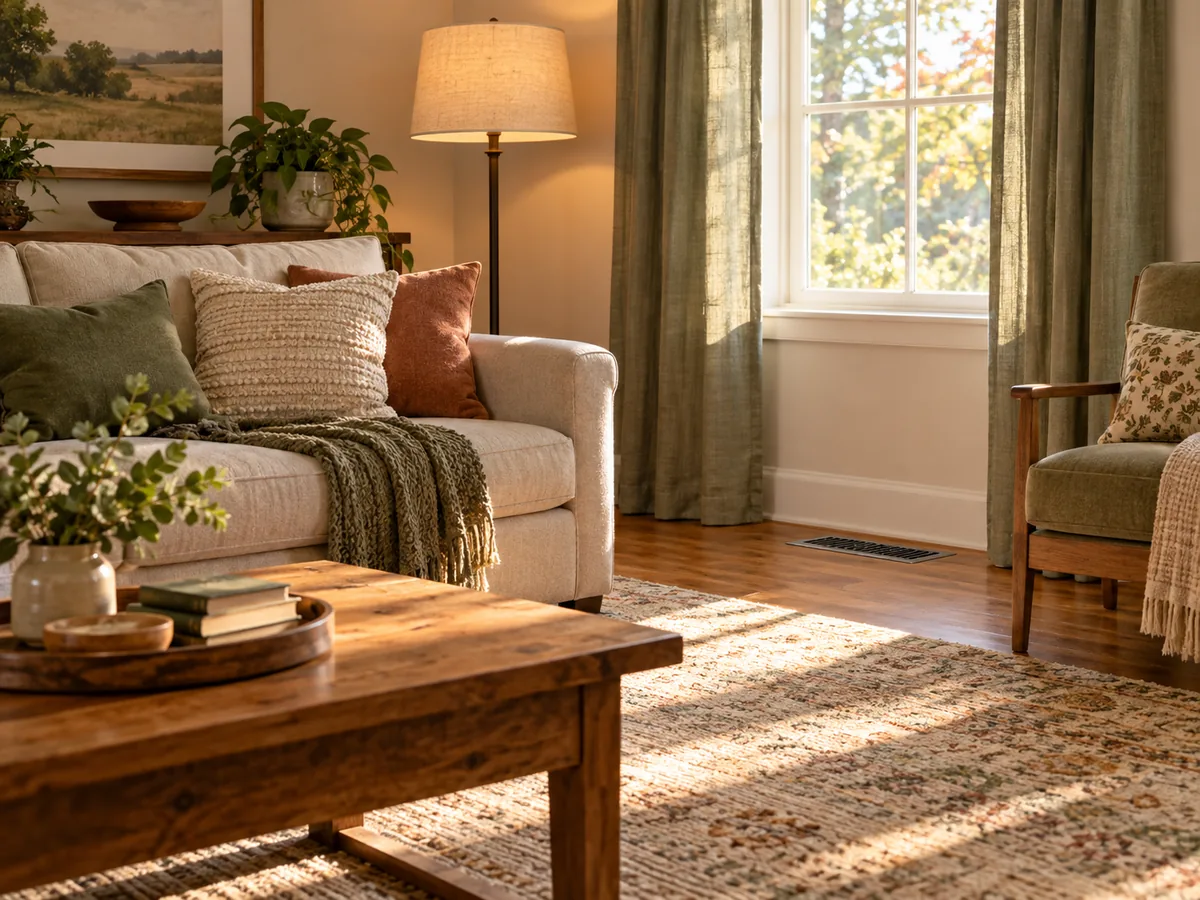
Move a chair or curtain that blocks an accessible vent, return, radiator clearance, or natural path of air. Follow equipment clearances and never cover safety devices.
- 4
Use shade at the right time
Curtains, blinds, or exterior shade can change solar gain, but the helpful timing depends on season, window direction, and local climate. Observe before making the routine permanent.
- 5
Run one-week trials
Change one item, such as curtain timing or seating position, and log comfort at the same times for several days. Keep the change only if the pattern improves without creating another problem.
Make the result repeatable
Use what you noticed, not a perfect-looking setup
Begin with draw a simple room map, because that establishes the condition you are actually working with. Then move through separate air from surface comfort, check furniture placement, use shade at the right time. Those middle checks turn “observe sun, air movement, surfaces, furniture, and daily use before deciding what kind of change the room needs.” from a general idea into a sequence you can evaluate in your own home.
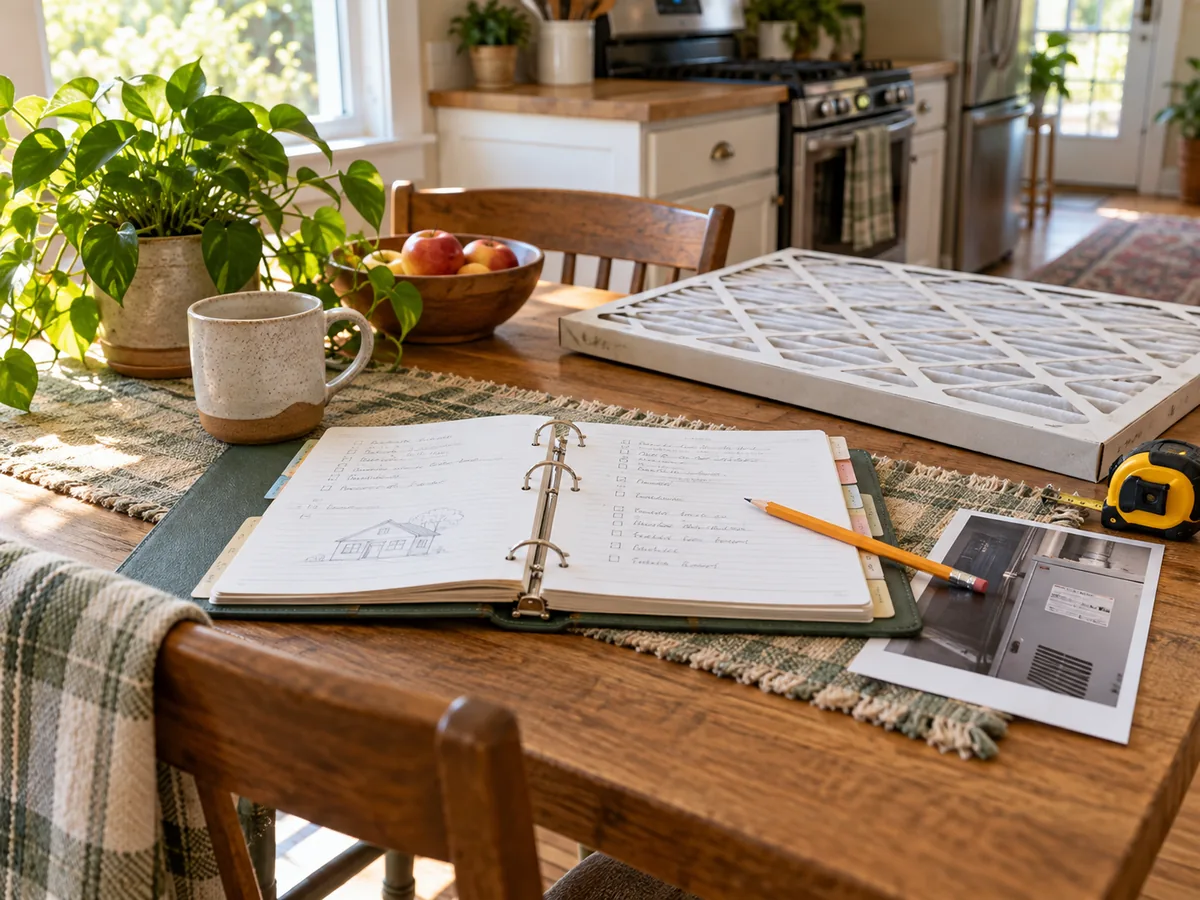
Give the change enough time to reveal a pattern, but do not keep adjusting several things at once. Write down the date, the room or device, the exact setting or arrangement, and what happened next. For equipment questions, add the model number and manual page. For room questions, add weather, time of day, and who was using the space. A small record is more dependable than memory after the next bill, load, or season arrives.
Finish with run one-week trials. If the result is useful, keep the smallest version that solves the problem and add it to the household notes. If it is inconvenient, inconclusive, or conflicts with an instruction, restore the starting condition. A reversible trial is still useful when it tells you which explanation or purchase does not fit. Keep the record with the matching bill, manual, room note, or shopping question so the next comparison begins with context instead of a fresh guess.
Good to know
Conditions, limits, and the point to stop
Do not alter ducts, wiring, fuel-burning equipment, sealed systems, or structural components. Persistent condensation, suspected mold, combustion alarms, or a room that cannot maintain safe temperature requires qualified help.
Takeaway
Keep these four points
- Comfort pattern mapped
- Vents and clearances checked
- One reversible change tested
- Safety conditions separated from preferences
Sources and review
Where the factual guidance comes from
This article’s organizing method, checklist, and household examples are original editorial material. Model-specific and safety-critical decisions should be checked against the relevant manufacturer instructions and local requirements.
Read our Editorial Standards or report a correction.