The short answer: A room-by-room routine uses shade before peak sun, fans only where people are present, and cooling settings that respect health, climate, and the actual HVAC system.
Before you start
Check the situation in front of you
Useful home guidance begins with the exact space, model, label, and routine you have. Make these checks before turning a general idea into a household habit.
- Map direct sun by hour for two clear days.
- Identify who uses each room and when.
- Know the signs of heat illness and follow current public-health guidance during dangerous heat.
Try this at home
A practical route, one step at a time
Move through the sequence in order. Keep notes on what you observe, and change only one variable at a time when you want to understand the result.
- 1
Mark the solar window
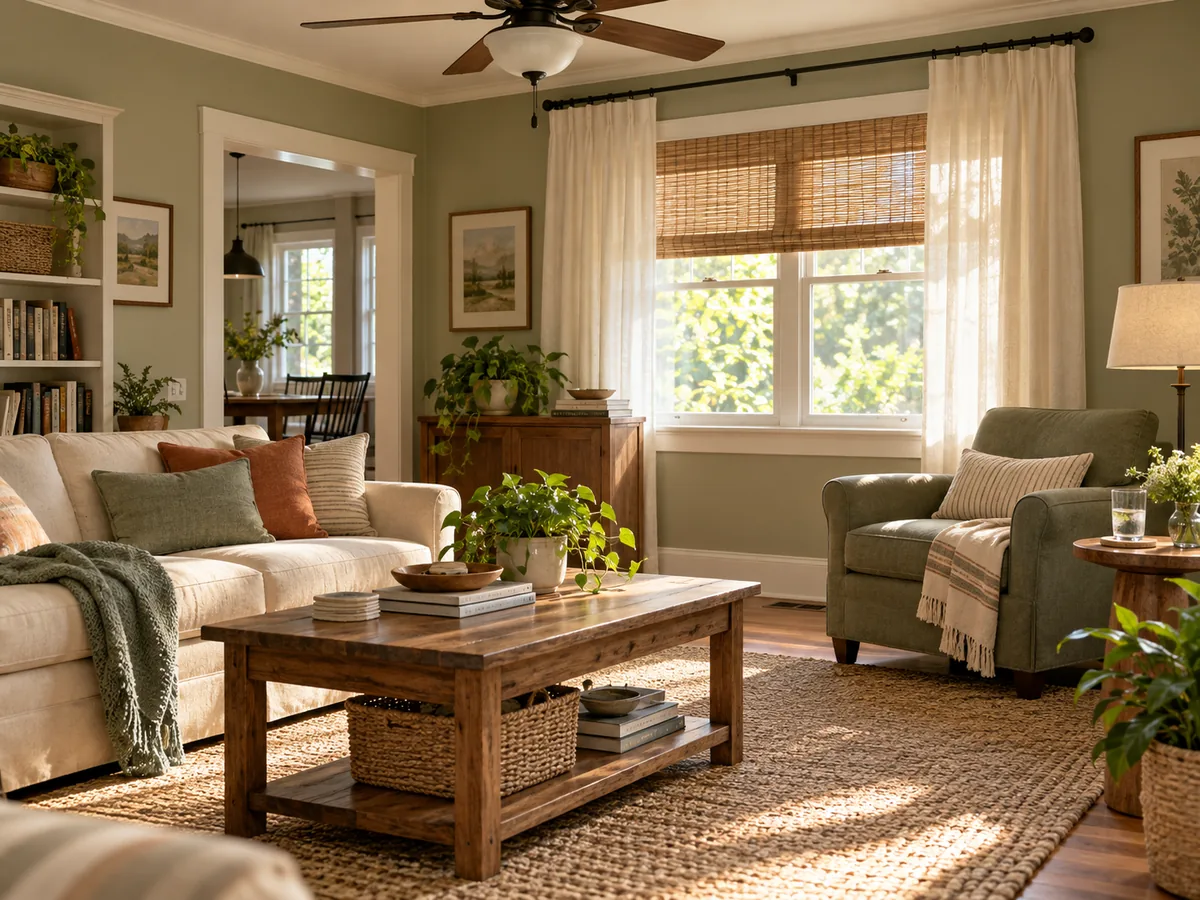
Note when each window receives direct sun and when the room begins to feel warmer. Close compatible shades before the strongest gain, then reopen when outdoor conditions make sense.
- 2
Move the activity
If one room stays shaded in the afternoon, consider shifting reading, work, or play there during peak hours. The change costs nothing and reveals how much the sunny location contributed.
- 3
Use fans for people
A fan moves air and can improve how occupants feel, but it does not lower the room’s air temperature. Turn it off in an empty room unless the equipment has another documented purpose.
- 4
Keep cooling pathways clear
Do not block accessible supply or return openings with furniture or curtains. Keep exterior doors and windows aligned with the cooling strategy and outdoor conditions.
- 5
Review the evening reset
When outdoor air is safely cooler and humidity or air quality allows, a household may use natural ventilation. Otherwise keep the conditioned boundary closed and reset shades for the next day.
Make the result repeatable
Use what you noticed, not a perfect-looking setup
Begin with mark the solar window, because that establishes the condition you are actually working with. Then move through move the activity, use fans for people, keep cooling pathways clear. Those middle checks turn “match shade, air movement, equipment, and occupancy to the hours each room is actually used.” from a general idea into a sequence you can evaluate in your own home.
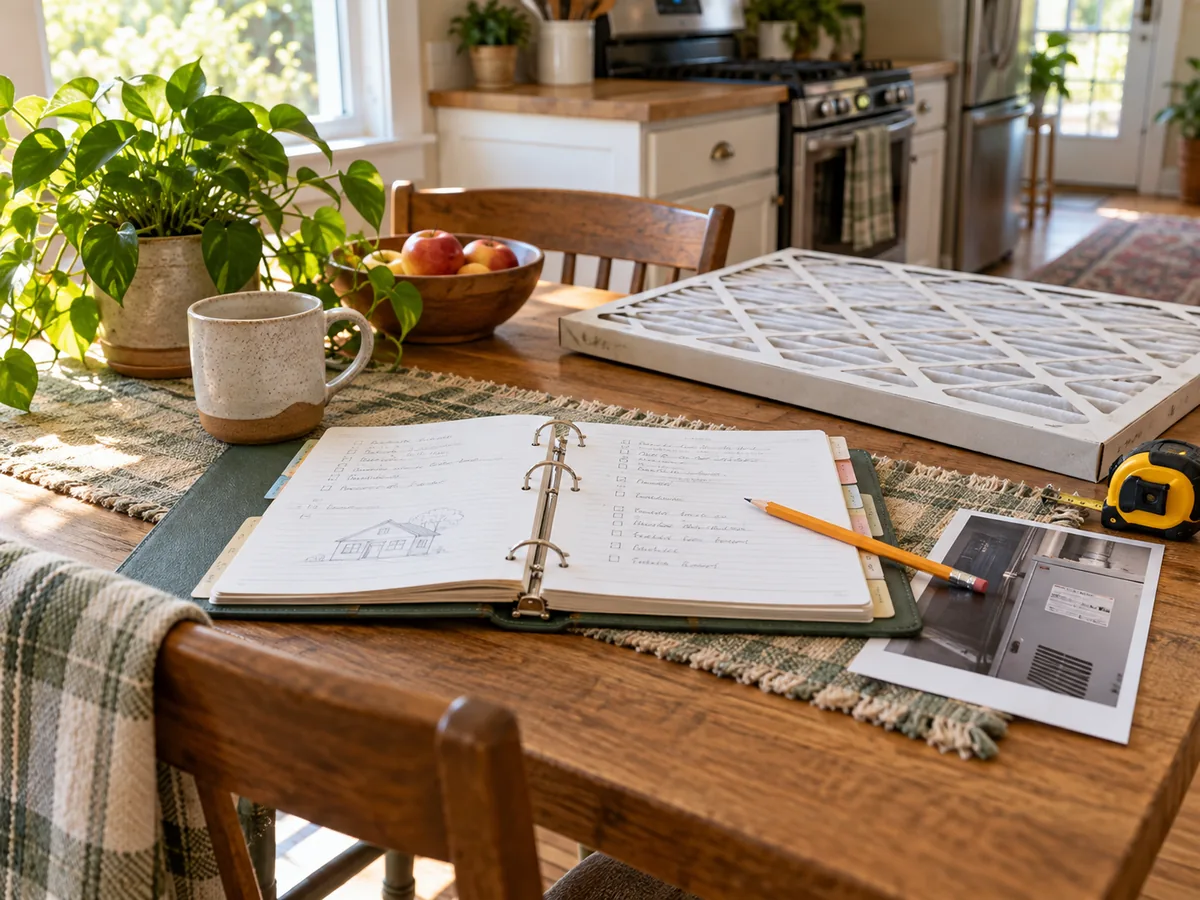
Give the change enough time to reveal a pattern, but do not keep adjusting several things at once. Write down the date, the room or device, the exact setting or arrangement, and what happened next. For equipment questions, add the model number and manual page. For room questions, add weather, time of day, and who was using the space. A small record is more dependable than memory after the next bill, load, or season arrives.
Finish with review the evening reset. If the result is useful, keep the smallest version that solves the problem and add it to the household notes. If it is inconvenient, inconclusive, or conflicts with an instruction, restore the starting condition. A reversible trial is still useful when it tells you which explanation or purchase does not fit. Keep the record with the matching bill, manual, room note, or shopping question so the next comparison begins with context instead of a fresh guess.
Good to know
Conditions, limits, and the point to stop
During severe heat, smoke, high humidity, or poor outdoor air quality, comfort routines are not a substitute for official safety advice and reliable cooling. Consider health, pets, medication, and local conditions.
Takeaway
Keep these four points
- Sun hours mapped
- Activities matched to cooler rooms
- Fans used with occupants
- Vents and pathways kept clear
Sources and review
Where the factual guidance comes from
This article’s organizing method, checklist, and household examples are original editorial material. Model-specific and safety-critical decisions should be checked against the relevant manufacturer instructions and local requirements.
Read our Editorial Standards or report a correction.