The short answer: A useful small tool reduces a repeated uncertainty: what is inside, where it belongs, what size fits, or whether a temperature is within the intended range.
Before you start
Check the situation in front of you
Useful home guidance begins with the exact space, model, label, and routine you have. Make these checks before turning a general idea into a household habit.
- Name the recurring problem in one sentence.
- Try a temporary low-cost version for one week.
- Choose a storage location before purchasing.
Try this at home
A practical route, one step at a time
Move through the sequence in order. Keep notes on what you observe, and change only one variable at a time when you want to understand the result.
- 1
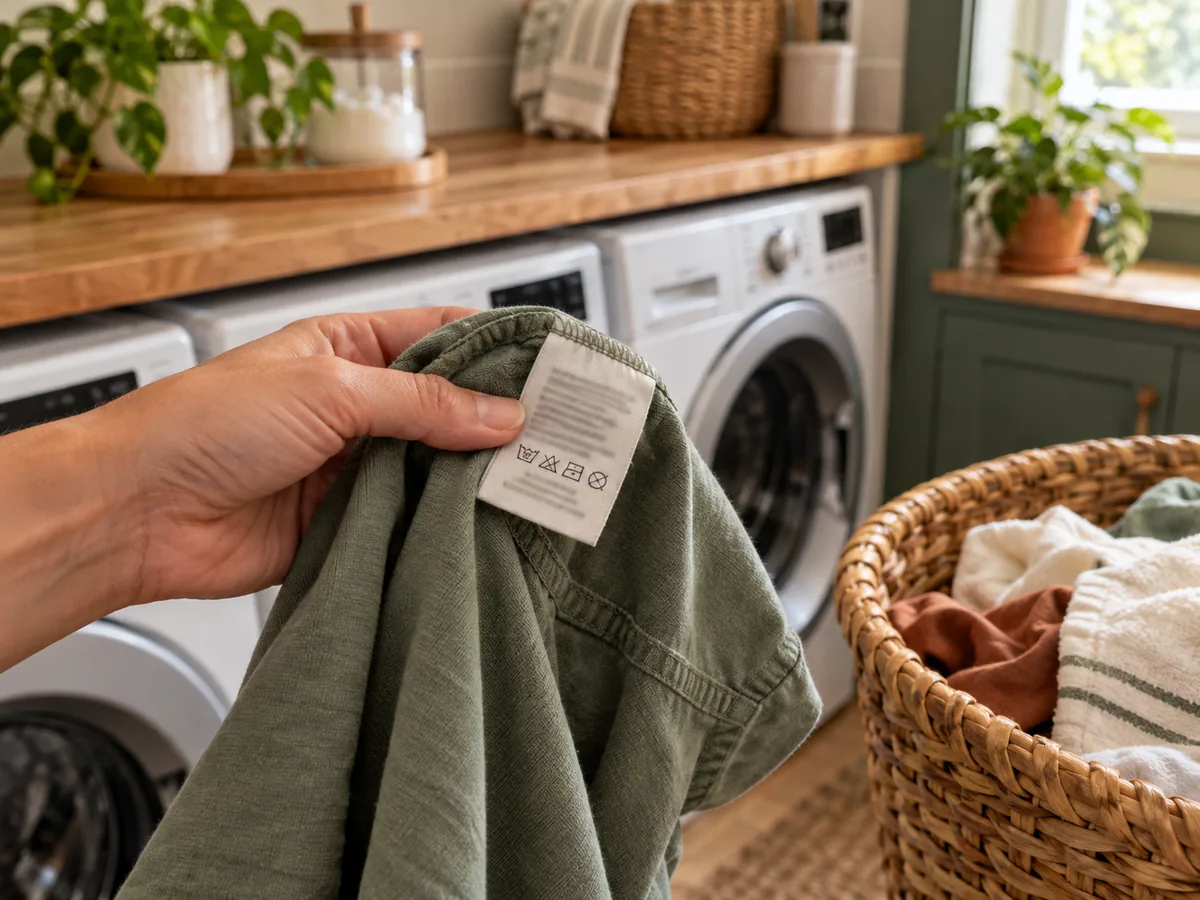
Use labels for changing information
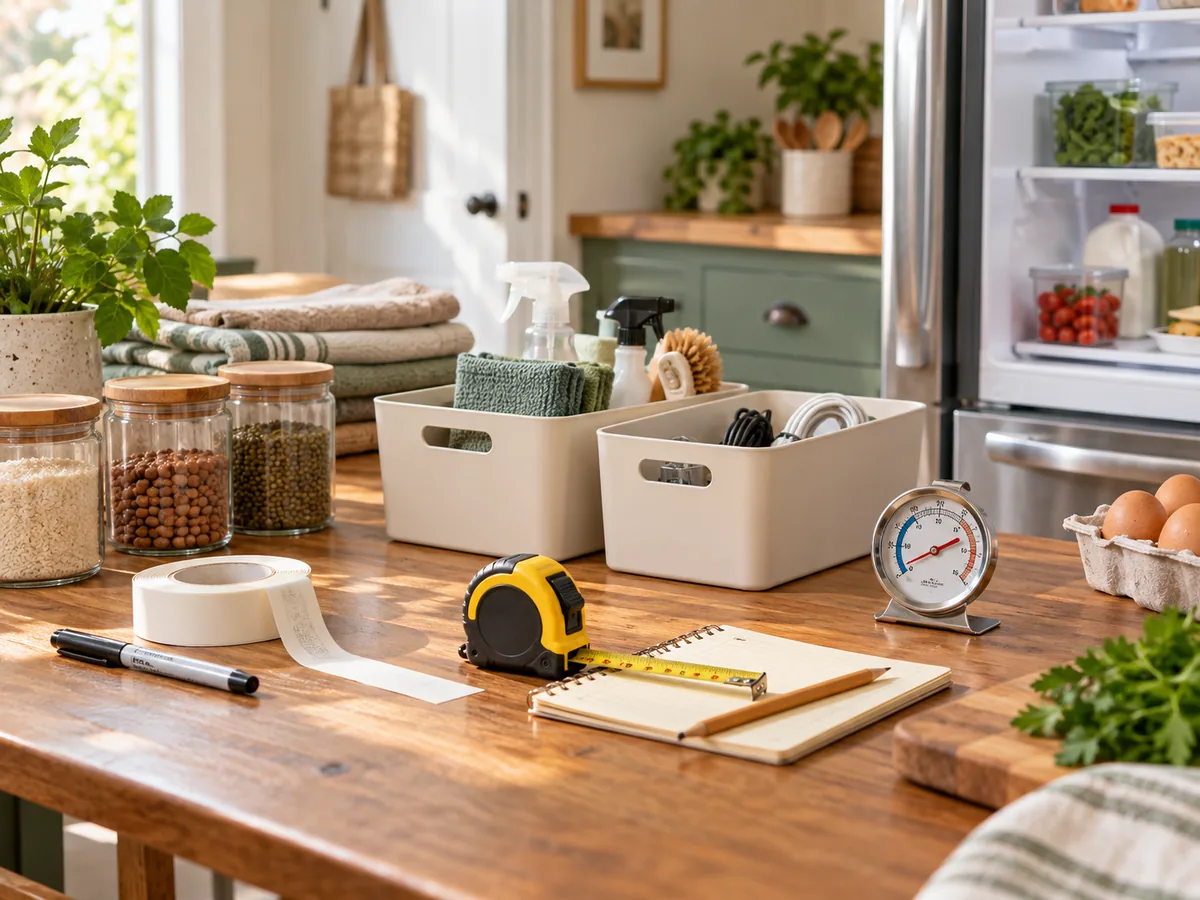
Reusable labels help when several people need the same cue: use-first food, cleaning cloth purpose, or filter size. Avoid labeling so much that the system becomes another reading task.
- 2
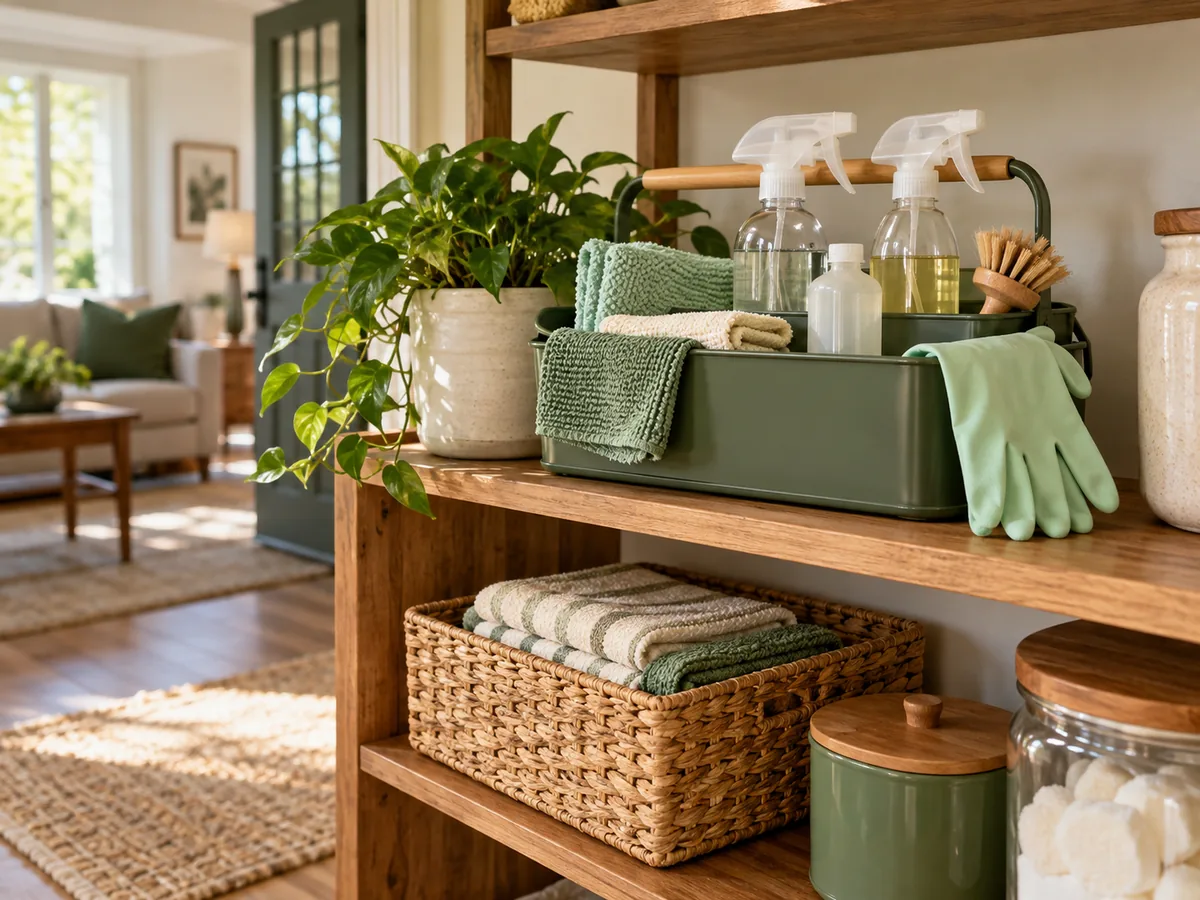
Use bins to preserve categories
A bin is useful when it keeps a small group together and can be lifted out for the task. It is not useful when it hides mixed items behind an attractive front.
- 3
Use a tape to prevent return trips
Measure width, depth, height, door swing, and access path before buying storage or replacement parts. Photograph the measurement beside the location for context.
- 4
Use an appliance thermometer for a real question
A refrigerator or oven thermometer can provide an independent observation when used as directed. Match the range and placement to the appliance and task.
- 5
Use what you already own first
Painter’s tape, a pencil, a cardboard box, or a borrowed measure can test the workflow. Buy the durable version only after the temporary version proves its value.
Use the guide
A practical result you can keep
| Household question | Possible tool | When not to buy |
|---|---|---|
| What is this or when was it opened? | Reusable label | One person already remembers reliably |
| Where do these parts travel together? | Open bin or caddy | The category is still undefined |
| Will it fit? | Measuring tape | You can borrow one for a single task |
| Is the appliance holding the intended temperature? | Appropriate appliance thermometer | You need professional diagnosis |
Make the result repeatable
Use what you noticed, not a perfect-looking setup
Begin with use labels for changing information, because that establishes the condition you are actually working with. Then move through use bins to preserve categories, use a tape to prevent return trips, use an appliance thermometer for a real question. Those middle checks turn “match a label maker, organizer, measuring tape, or appliance thermometer to a repeated household question before buying another object.” from a general idea into a sequence you can evaluate in your own home.
Give the change enough time to reveal a pattern, but do not keep adjusting several things at once. Write down the date, the room or device, the exact setting or arrangement, and what happened next. For equipment questions, add the model number and manual page. For room questions, add weather, time of day, and who was using the space. A small record is more dependable than memory after the next bill, load, or season arrives.
Finish with use what you already own first. If the result is useful, keep the smallest version that solves the problem and add it to the household notes. If it is inconvenient, inconclusive, or conflicts with an instruction, restore the starting condition. A reversible trial is still useful when it tells you which explanation or purchase does not fit. Keep the record with the matching bill, manual, room note, or shopping question so the next comparison begins with context instead of a fresh guess.
Good to know
Conditions, limits, and the point to stop
A household tool is not a safety instrument unless it is designed, rated, and maintained for that purpose. Use food, electrical, and temperature devices only within their instructions.
Takeaway
Keep these four points
- Problem named
- Temporary test completed
- Tool storage chosen
- Purchase avoided when no repeated need exists
Sources and review
Where the factual guidance comes from
This article’s organizing method, checklist, and household examples are original editorial material. Model-specific and safety-critical decisions should be checked against the relevant manufacturer instructions and local requirements.
Read our Editorial Standards or report a correction.